
Shanwei's Traditional Wushu Elite Competition Reaches Its 15th Edition, from Shaolin and Wudang Forms to Southern Weapons
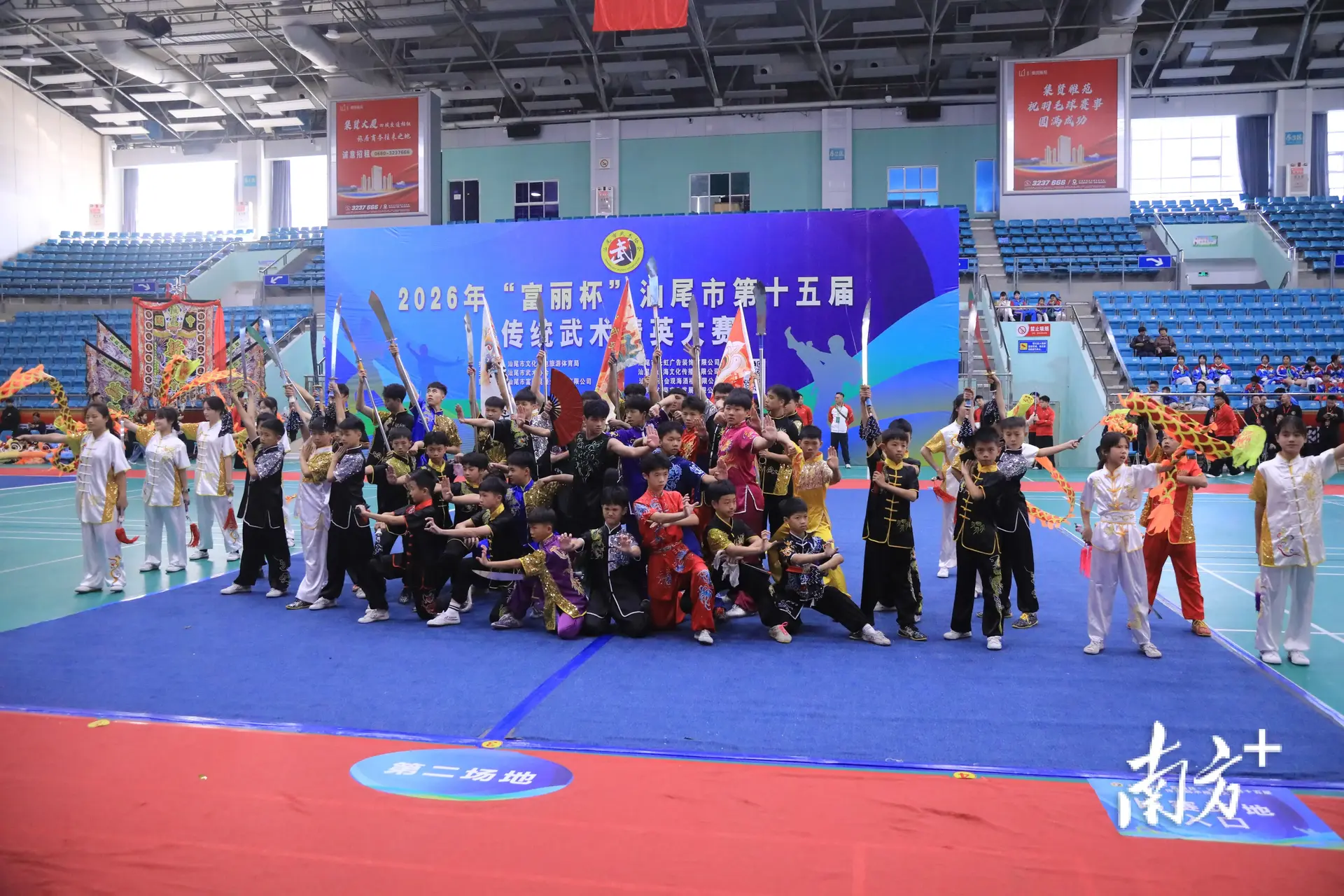
The 2026 "Fuli Cup" 15th Shanwei Traditional Wushu Elite Competition opened at Shanwei Gymnasium in Guangdong on 29 November, bringing together Shaolin, Wudang and Emei styles, southern and northern boxing, taijiquan and traditional weapons, with competitors from children to seniors.
One of southern China's longest-running city wushu events has reached a milestone. The 2026 "Fuli Cup" Shanwei Traditional Wushu Elite Competition, now in its 15th consecutive edition, opened on the morning of Sunday, 29 November, at Shanwei Gymnasium in Guangdong province.
Huang Kuncheng, chairman of the Shanwei Wushu Association, welcomed athletes on behalf of the organising committee. He described the competition as the city's signature event for passing on traditional wushu and promoting fitness for all, and listed the range of styles it brings together: the Shaolin, Wudang and Emei schools, southern and northern boxing, taijiquan, local traditional forms and many kinds of traditional weapons. He asked athletes to respect their opponents and the judges, and judges to score fairly.
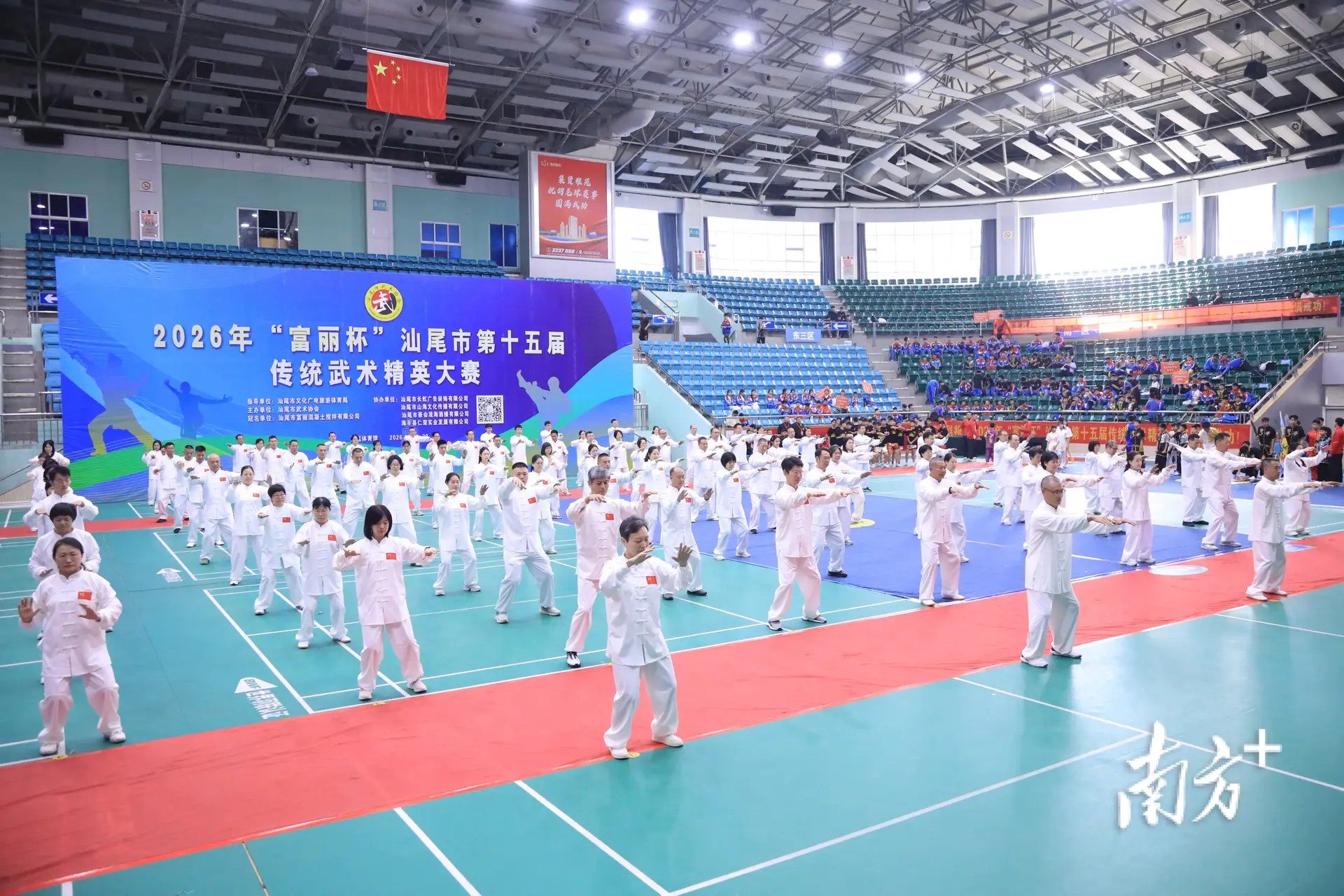
Lion dance and a taijiquan graduation
The opening programme began with a lion dance, followed by a taijiquan display from civil servants working in Shanwei's municipal offices. They had just completed a taijiquan course run by the city's trade union, its municipal work committee and its culture and sports bureau, with the wushu association teaching eight lessons over eight weekends. The participants received certificates after their performance.
On the competition floor, the programme ranged from nanquan and taijiquan to southern broadsword and staff, spear and straight sword, plus group routines. Competitors covered every age group, from young children to seniors.
A senior judging panel
Organisers stressed the level of the officiating. The supervision, arbitration and judging committees included holders of the 8th Duan wushu grade and national-level referees, and each of the three competition areas was led by a national first-class referee as chief judge.
On the opening day, trophies were presented to the winning teams in the group events, together with awards for the top six teams in the overall standings, a wushu promotion contribution award and a martial ethics award. The sources did not name the winning teams.
Sources: Sohu, 21st Century Business Herald (21jingji.com).
Read more on m.sohu.com