
"Cangzhou Lei": 63 Ring Events in 10 Months Turn a Chinese Wushu Hometown's Streets into a Fight Stage
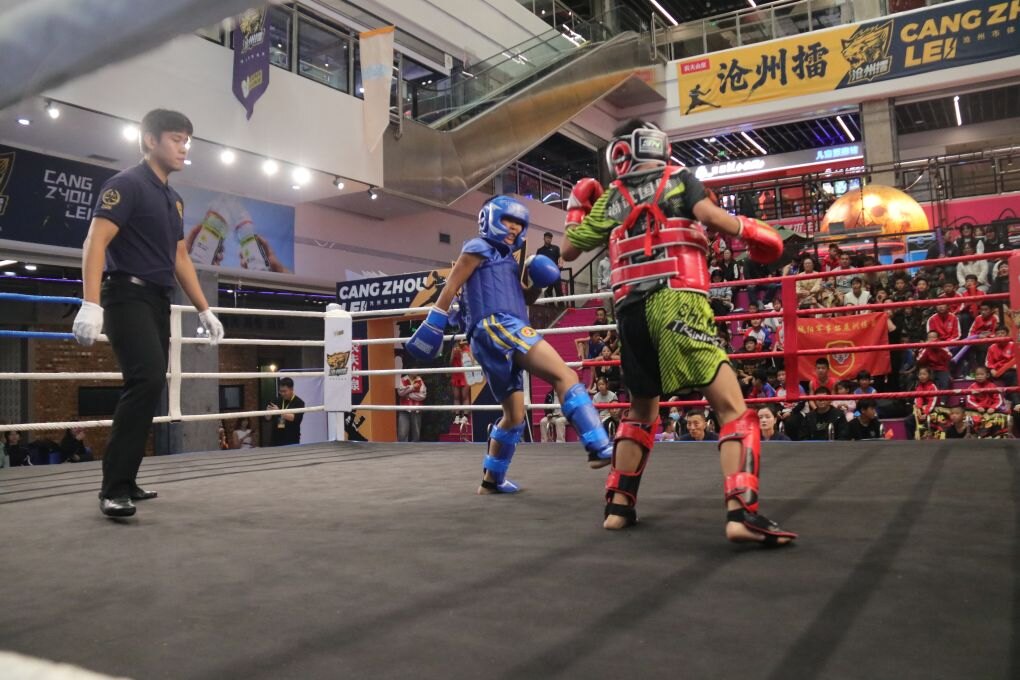
Cangzhou's open-ring series "Cangzhou Lei" has staged 63 events since January 2026, mixing professional sanda bouts with an open "people's ring" and traditional styles such as Bajiquan and Piguaquan, drawing nearly 34,000 spectators and over 46 million livestream views.
In Cangzhou, a city in China's Hebei province with a long martial arts tradition, a fighting ring now goes up every Saturday. The city's wushu event series "Cangzhou Lei" (Cangzhou Ring) opened on the Nanchuan Old Street in January 2026 and, after ten months of regular operation, has held 63 events, Xinhua reported on 17 November.
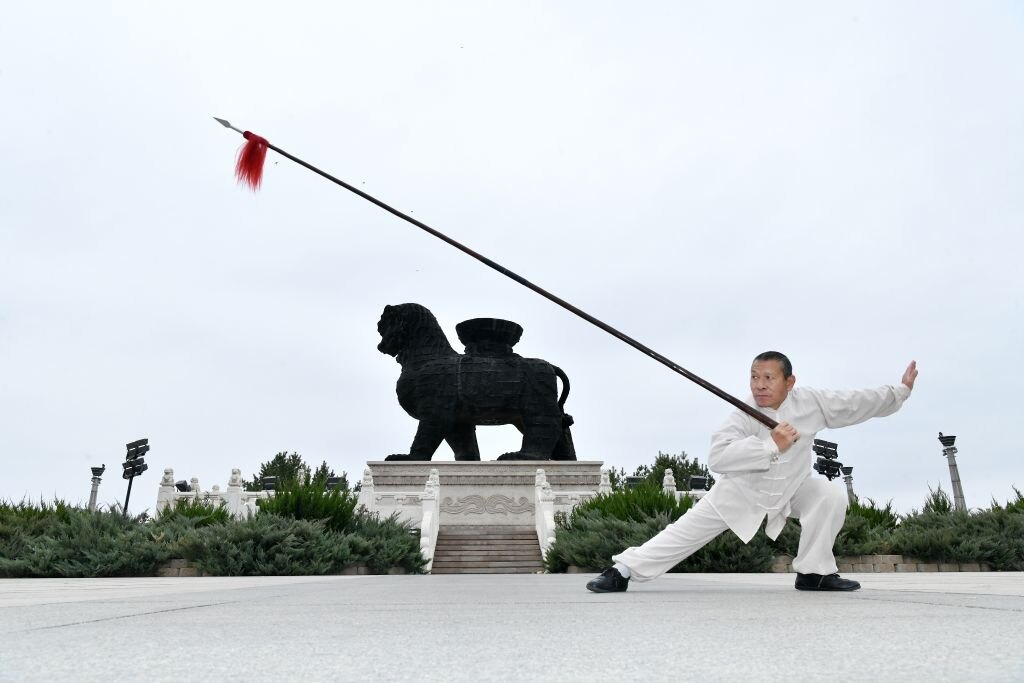
Cangzhou was among the first places in China to be named a "hometown of wushu". According to the report, 53 boxing styles are practised in the city, including Bajiquan, Piguaquan and Yanqingquan, and six of its martial arts are on China's national intangible cultural heritage list.
Two rings: professional and open to all
With colder weather, the series has moved indoors to a shopping mall and runs on a two-track format. The "professional ring" follows competitive standards with sanda, free combat and taekwondo bouts under unified refereeing rules. Fighters from county clubs and wushu schools qualify through preliminary rounds, and winners in each weight class earn a place on the main card, according to deputy sports bureau director Dong Jun.
The "people's ring" has no entry requirements: enthusiasts of any age can sign up and step in. Xinhua described one food delivery rider who set his delivery box beside the ring, signed up, was thrown after a few exchanges, waved to the crowd and rode off to his next order. Each event also includes displays of local styles such as Bajiquan, Piguaquan and mantis boxing.
The series has also travelled to Qingxian, Wuqiao, Nanpi and Huanghua, with themed stops linked to local festivals and heritage. Benjamin Farner, a 35-year-old from Switzerland who has repeatedly come to Cangzhou to study Bajiquan, entered the ring in June. Xinhua quoted him as saying that fighting on stage felt completely different from watching, and that "this is the charm of wushu".
National standards on a local stage
Cangzhou hosted high-level competitions this year, including the National Wushu Sanda Championship, and the city then sent referees and staff from those events to work at "Cangzhou Lei". Chief referee Gao Feng said following the major events has made the local ring increasingly standardised.
By the 63rd event, several hundred people had fought in the ring, live attendance had reached nearly 34,000 and livestreams on social media had passed 46 million views, according to the Cangzhou sports bureau. Bureau director Liu Hongrong said wushu events in the city used to be exchanges within the martial arts community, but now more and more people know about them and take part.
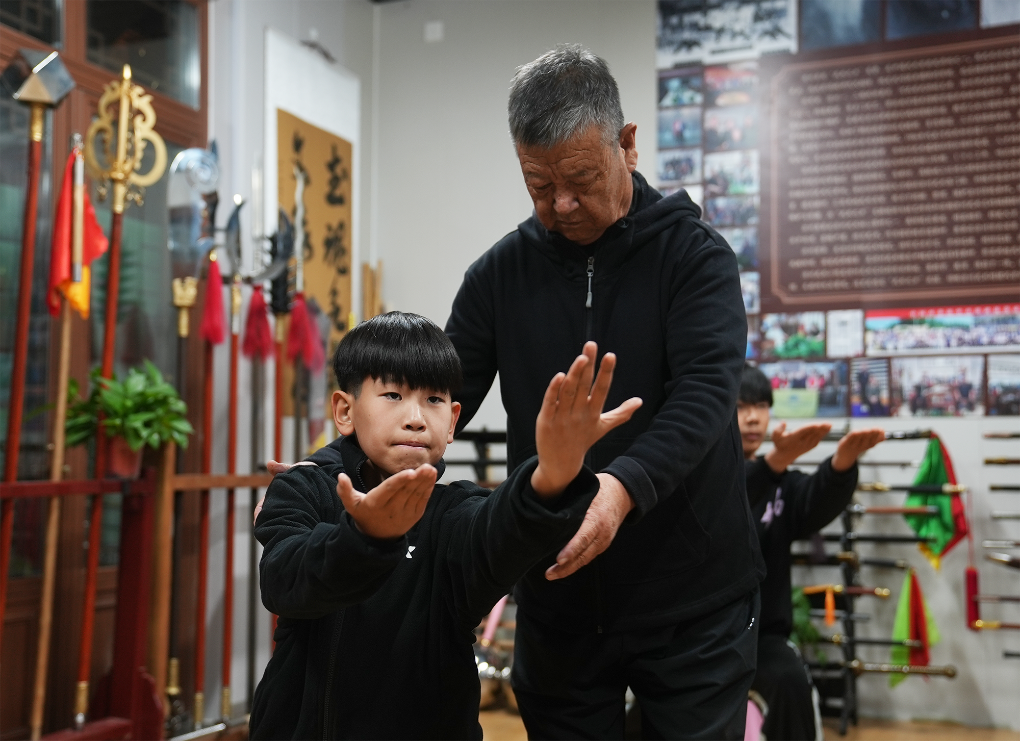
Zhang Zhigang, a Chahuaquan inheritor in his seventies who has taught for free with his family for more than 40 years, told Xinhua that noticeably more young people have come to train this year, and that friends running wushu schools report a rise in youth enrolment.
Read more on www.news.cn